
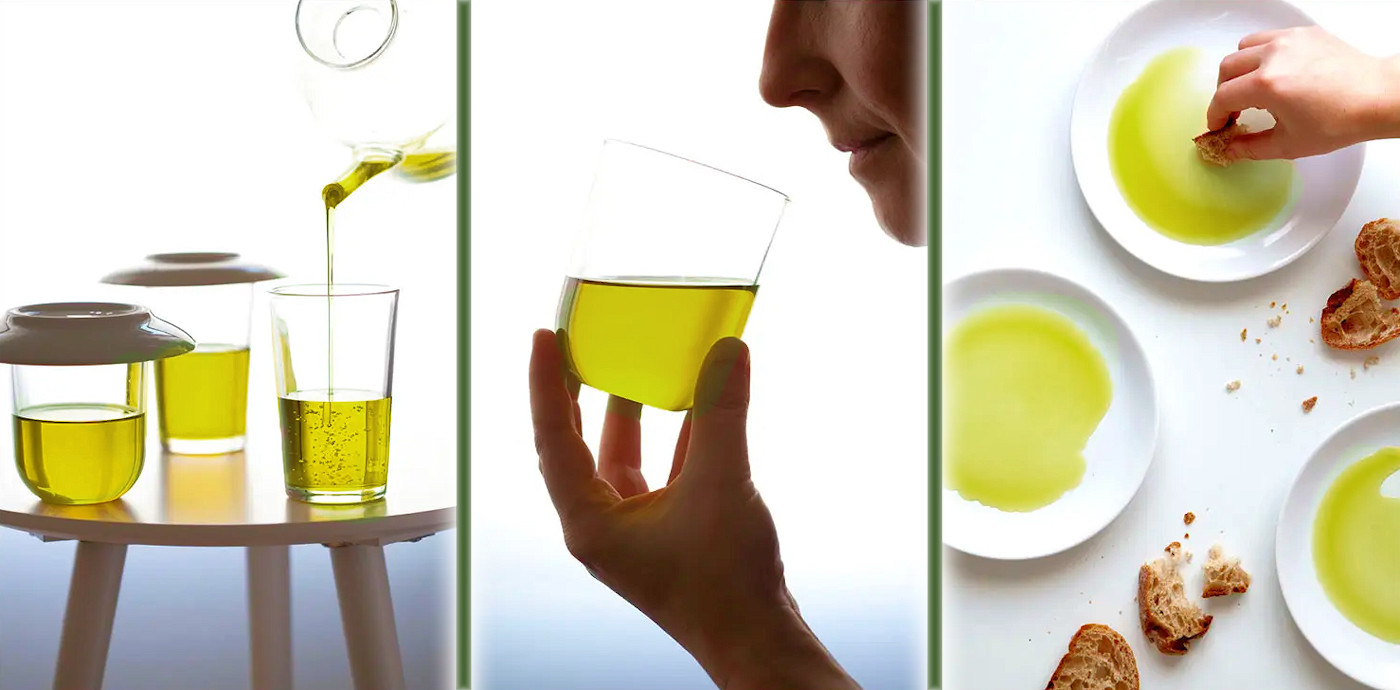
Olive oil tasting is a refined art that allows enthusiasts to fully appreciate the depth and complexity of this ancient elixir. Just like wine, quality olive oil offers a symphony of flavors and aromas that can vary dramatically based on factors like olive variety, harvest time, and production methods. Here’s a guide to help you become an olive oil connoisseur and savor the best of what Eleochora and other premium olive oils have to offer.
1. Preparing for the Tasting
To begin your olive oil tasting journey, it’s essential to prepare properly.
Use small, clear glasses that allow you to see the color and clarity of the oil. Pour a small amount of olive oil into each glass. It’s best to taste the oils at room temperature to ensure that all the flavors and aromas are fully expressed.
2. Observing the Oil
Start by observing the oil’s appearance. While color can range from golden yellow to vibrant green, it’s not necessarily an indicator of quality.
However, a cloudy oil might suggest minimal filtration, which can be a marker of freshness and authenticity in certain artisanal oils.
Hold the glass against a white background to see its true color and clarity.
3. Warming the Oil
Cup the base of the glass in your hand and cover the top with your other hand. Gently swirl the oil for about a minute.
This warming process helps release the oil’s volatile compounds, intensifying its aroma and flavor.
4. Smelling the Oil
After warming the oil, uncover the glass and take a deep, slow inhale.
Quality olive oil should have a fresh, fruity aroma. You might detect hints of green apple, freshly cut grass, artichoke, or even almond. The complexity and intensity of these aromas can give you an initial impression of the oil’s character.
5. Tasting the Oil
Take a small sip of the oil, allowing it to coat your palate. To fully appreciate the flavor, follow these steps:
- Slurp: Suck in a bit of air through your teeth while the oil is in your mouth. This aerates the oil and spreads it across your palate, enhancing the flavor experience.
- Savor: Let the oil sit on your tongue. Notice the initial flavors—are they fruity, grassy, or herbaceous?
- Swallow: Swallow the oil and pay attention to the sensations in your throat. A quality olive oil often has a peppery finish, which might cause a slight cough. This is due to the presence of polyphenols, powerful antioxidants that contribute to the oil’s health benefits.
6. Evaluating the Oil
Consider the balance and harmony of the flavors. A high-quality olive oil will have a balanced profile, where no single flavor dominates excessively.
Evaluate the following:
- Fruitiness: The intensity of fresh, fruity flavors derived from the olives.
- Bitterness: A natural characteristic of olive oil, often more pronounced in early-harvest oils.
- Pungency: The peppery sensation that indicates the presence of polyphenols.
7. Comparing Different Oils
To develop a deeper appreciation, compare different olive oils side by side. Taste a range of oils from various regions, varieties, and production methods. Notice how factors like terroir and processing impact the flavor profile.
Eleochora’s Koroneiki and Mavroelia varieties, for instance, offer distinct characteristics that reflect their unique origins and careful production.
8. Keeping Notes
Keep a tasting journal to record your observations and preferences. Note the aromas, flavors, and overall impressions of each oil. Over time, you’ll develop a refined palate and a deeper understanding of what makes a truly exceptional olive oil.
Conclusion
The art of olive oil tasting is a rewarding journey that enhances your appreciation for this versatile and healthful oil. By following these steps, you can explore the rich flavors and aromas that premium olive oils like Eleochora offer.
Whether you’re drizzling it over salads, using it in cooking, or simply enjoying it on its own, quality olive oil can elevate your culinary experiences and contribute to a healthy diet.
Enjoy your exploration of the fascinating world of olive oil tasting!